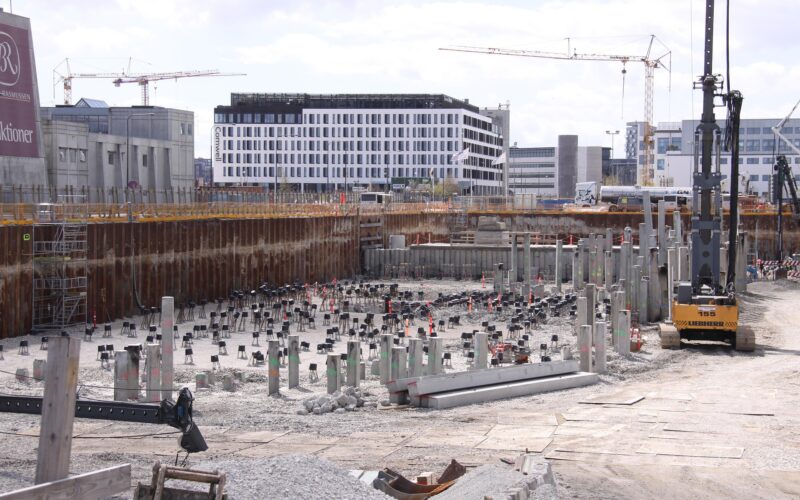
The role of community engagement in successful development projects cannot be overstated in modern urban planning and infrastructure initiatives. Whenever a new commercial space, residential zone, or public transport network is proposed, the individuals living in the surrounding area are the ones most profoundly affected. Ignoring their voices often leads to costly delays, public backlash, and a final product that fails to serve its intended purpose. Conversely, integrating local perspectives from the outset ensures that the development aligns with the actual needs of the neighbourhood, fostering a sense of shared ownership and trust between developers, local authorities, and the general public.
Building trust through transparent communication
Establishing an open line of communication is the foundational step in any effective community engagement strategy. Residents and local business owners naturally feel apprehensive when major construction is announced, fearing disruptions, environmental impacts, or the loss of local heritage. By providing clear, accessible information about the scope, timeline, and potential impacts of a project, developers can demystify the process and alleviate these anxieties. Regular town hall meetings, interactive digital platforms, and accessible information centres allow stakeholders to ask questions and voice concerns before decisions are finalised. This transparency demonstrates respect for the community, mitigating adversarial relationships and paving the way for a more collaborative approach to urban regeneration.
Gathering local knowledge to improve design
Beyond merely appeasing public concerns, community engagement serves as a vital resource for gathering highly localised data that external consultants might overlook. The people who navigate a specific area every day possess invaluable insights regarding traffic bottlenecks, safety hazards, and the social dynamics of public spaces. When architects and urban planners actively solicit this ground-level knowledge, they can refine their designs to address genuine operational challenges. A proposed park might be repositioned to maximise sunlight based on residents' historical observations, or a new road layout might be altered to protect a frequently used pedestrian crossing. Ultimately, these community-driven modifications result in a more functional and harmonious final development.
Fostering economic and social sustainability
Successful development projects do more than alter the physical landscape; they contribute to the long-term economic and social vitality of the region. Engaging the community helps ensure that new developments generate tangible benefits for existing residents rather than displacing them. Planners can work alongside local enterprise groups to integrate affordable commercial spaces for local startups, or collaborate with educational institutions to provide apprenticeship programmes during construction. By tying project success to the neighbourhood's economic prosperity, developers create a symbiotic relationship that safeguards against gentrification.
Navigating regulatory frameworks and public approval
From a pragmatic standpoint, robust community engagement drastically streamlines the regulatory approval process. Local councils are increasingly mandating comprehensive public consultation as a prerequisite for granting permissions. Projects that lack demonstrable community support often face prolonged planning inquiries and extensive campaigns aimed at halting construction. When developers present a proposal shaped by dialogue with local stakeholders, authorities are far more likely to grant swift approval. The upfront investment of time required to consult with the public is routinely offset by the avoidance of legal disputes.
Creating a lasting legacy of collaboration
The ultimate measure of a successful development project is how it functions decades after the construction equipment has departed. When communities are involved in the planning phases, they are far more likely to embrace and protect the resulting infrastructure. This sense of stewardship reduces vandalism, lowers maintenance costs, and ensures public spaces remain vibrant. The legacy of a project shaped by community engagement is one of mutual respect and enduring value. By prioritising the voices of local residents, developers strengthen the social fabric of the neighbourhoods they transform.