The transition towards flexible working arrangements has fundamentally altered how professionals view their living environments, prompting many to consider converting a house to accommodate a home office. Rather than settling for a temporary desk in the corner of a busy dining room or balancing a laptop on the sofa, establishing a dedicated workspace has become essential for maintaining productivity and separating professional duties from personal downtime. Creating this permanent work zone requires careful planning and a thorough evaluation of your property to ensure the chosen area can properly support your daily occupational needs without compromising the domestic harmony of the household.
Evaluating potential areas within your property
Selecting the most appropriate location for your home office is the foundational step in any successful conversion project. You might have an underutilised guest bedroom that naturally lends itself to becoming a quiet study, or perhaps an integrated garage that could be repurposed into a spacious professional studio. Alternatively, a loft conversion might provide the perfect secluded environment, distancing your professional tasks from the ground floor activities of family life. It is crucial to evaluate the availability of natural light, the proximity to loud domestic appliances, and the ease of accessing essential facilities like the kitchen or bathroom when deciding which room or outbuilding will best serve as your permanent operational base.
Navigating building regulations and structural requirements
Once a location has been identified, it is necessary to assess whether your home office conversion will require any structural modifications or formal approvals. While repurposing a spare bedroom usually involves nothing more than redecorating and updating the furniture, converting a garage or an attic frequently necessitates compliance with stringent UK building regulations. You must ensure that the space meets all legal requirements regarding thermal insulation, ventilation, fire safety, and structural integrity. Furthermore, if you are planning to make significant alterations to the exterior of the building or if you reside within a conservation area, you may also need to apply for planning permission from your local authority before commencing any substantial construction work.
Optimising the layout for ergonomic comfort
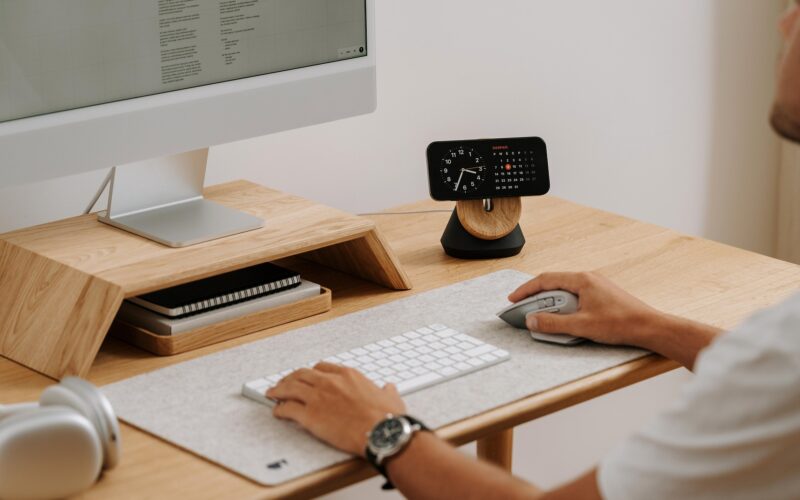
With the structural elements finalised, attention must shift towards designing an interior layout that prioritises ergonomic comfort and operational efficiency. The positioning of your desk should ideally capitalise on natural daylight to reduce eye strain, though you must carefully avoid placing monitors where direct glare from a window could obscure the screen. Investing in a high-quality adjustable chair and a suitably proportioned desk is vital for preventing the musculoskeletal issues that often plague remote workers who rely on inappropriate dining furniture. Ample power sockets must be strategically installed to accommodate computers, charging stations, and supplementary lighting, ensuring that trailing cables do not become a tripping hazard or an unsightly distraction during video conferences.
Implementing effective storage and environmental controls
A cluttered environment inevitably leads to a disorganised mind, making intelligent storage solutions an indispensable component of your home office design. Built-in cupboards, floating shelves, and lockable filing cabinets can seamlessly blend into the background while keeping essential documents and stationery perfectly organised and readily accessible. Additionally, controlling the environmental factors within the room is paramount for sustaining concentration throughout the working day. Incorporating adequate heating solutions for the colder months, exploring air conditioning options for the summer, and introducing soundproofing measures such as heavy curtains or acoustic panels will help to insulate your workspace from external disruptions and maintain an optimal climate for focused professional endeavours.
Finalising the aesthetics of your new workspace
The aesthetic finishing touches are what will ultimately transform a sterile functional room into an inviting and inspiring home office. Selecting a colour scheme that promotes calmness and focus, such as soft blues, muted greens, or warm neutral tones, can significantly impact your daily mood and cognitive performance. Introducing indoor plants not only improves the visual appeal of the workspace but also contributes to better air quality and reduced stress levels. By thoughtfully combining practical design principles with your own personal aesthetic preferences, you can successfully convert a section of your house into a highly effective home office that actively enhances your professional output whilst seamlessly integrating with your everyday domestic life.